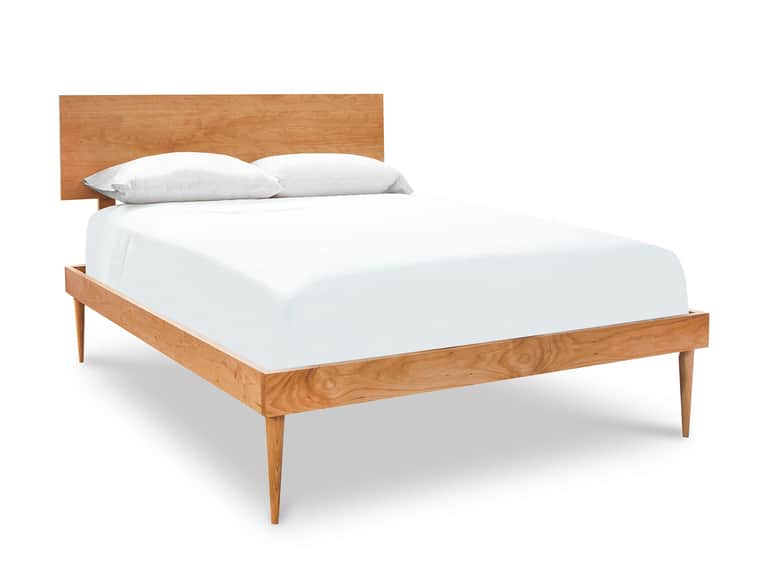
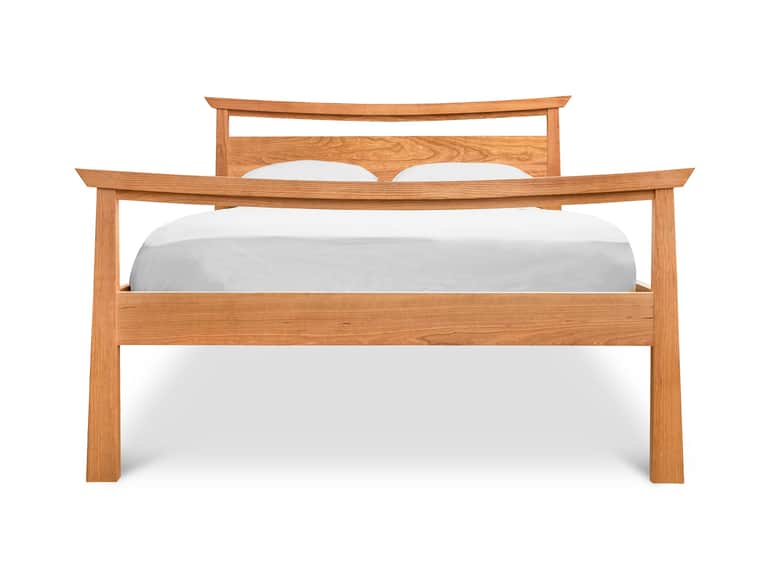
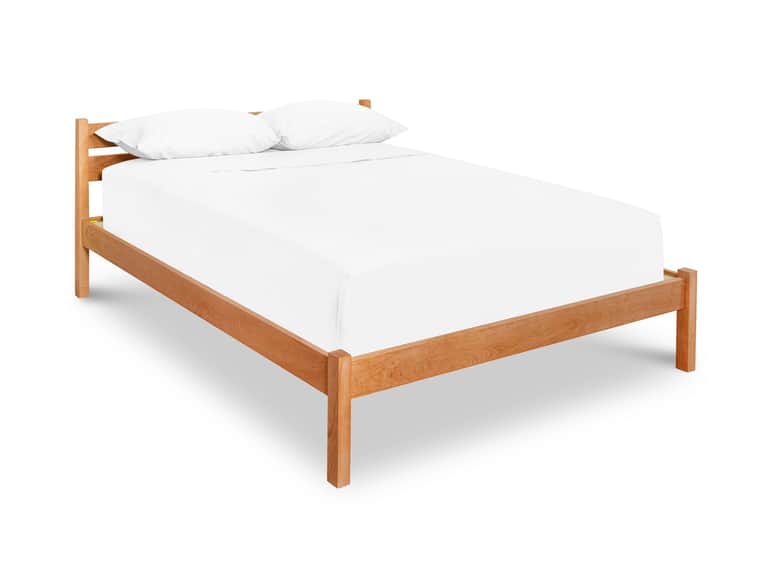
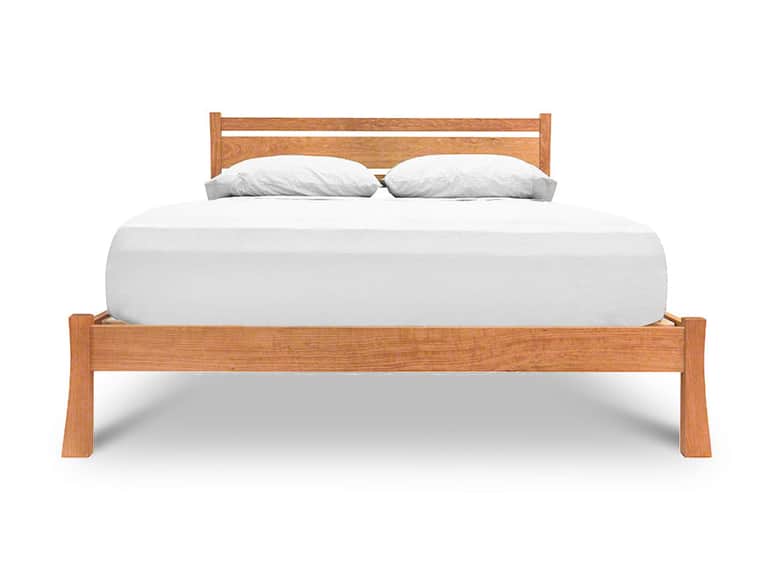
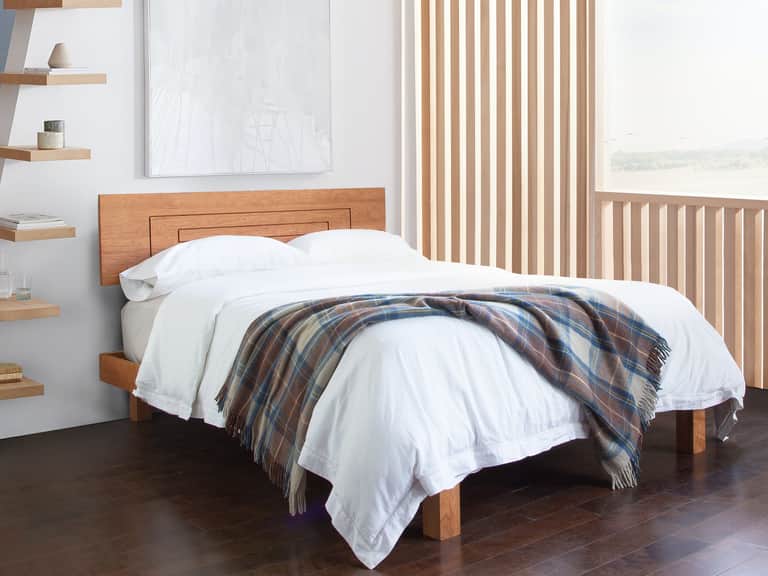
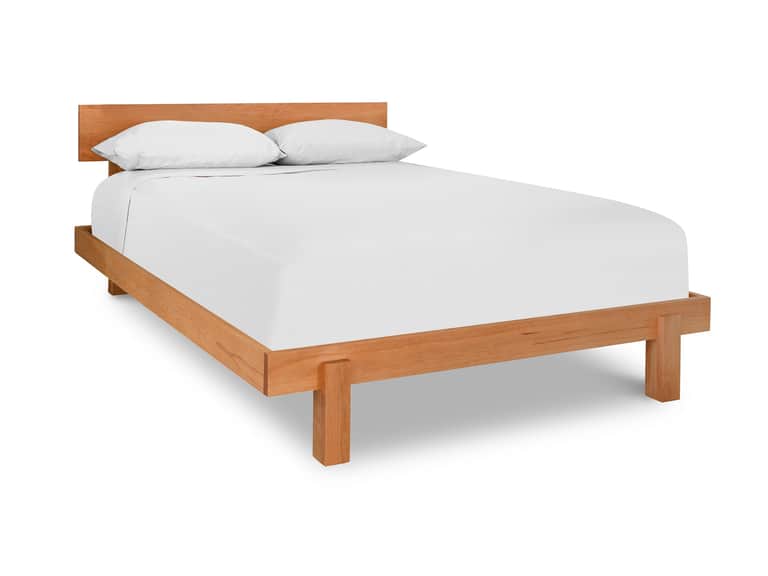
Platform bed frames are designed to provide a low-profile, minimalist foundation that supports diverse mattress types while emphasizing clean lines and modern aesthetics. These frames often feature solid slat systems or sturdy panels that evenly distribute weight, reducing motion transfer and enhancing overall sleep stability. Understanding materials, joinery, and ventilation helps buyers select frames that align with room size and style goals.
In the platform bed category, attention to construction details such as reinforced center supports, slat spacing, and leg configuration matters for longevity and performance. Many designs incorporate ventilated surfaces to improve mattress breathability, which can contribute to temperature regulation. This makes platform frames suitable for long-term use with memory foam, latex, or hybrid mattresses alike.
Among notable options, the Larssen Bed demonstrates how a platform frame can blend functional robustness with refined aesthetics. Featuring a solid foundation, streamlined headboard compatibility, and discreet hardware, it offers stable support for varying mattress heights while maintaining a cohesive look within modern interiors. Its design emphasizes both practicality and visual harmony.
Key features to consider include frame height, under-bed clearance, and hardware finish, all of which influence accessibility and room sense. Platform beds often accommodate under-bed storage solutions or leave space for open-frame styling. When evaluating, assess weight capacity, headboard attachment options, and compatibility with adjustable bases if needed for sleep versatility.
For bedding compatibility, a well-chosen platform bed frame pairs effectively with essentials such as sheets, comforters, pillows, and duvet inserts, while ensuring breathability and support. Understanding the interplay between frame stability and mattress performance helps optimize comfort for sleepers who value a clean silhouette and dependable daily use.
 Furniture