Bedding · A practical guide
Percale or Sateen? Choosing Sheets by Weave and Sleep Preference
The difference between crisp, cool sheets and a smooth, softly draped bed often comes down to one detail: how the threads cross. Percale and sateen are both classic cotton weaves, but they create noticeably different sensations. Understanding those differences can help you choose sheets that feel right night after night.
The feel of a bed begins with its weave
Think about the first moment you climb into bed. Do you want the sheets to feel cool and crisp, with a light, almost freshly laundered finish? Or would you rather settle into a smoother surface that drapes gently over the mattress? Neither preference is more luxurious than the other. They simply offer different kinds of comfort.
Percale and sateen describe ways that yarns are interlaced to make fabric. They are not fiber types, finishes, or guarantees of quality. Cotton percale is still cotton, and cotton sateen is still cotton; the weave changes the fabric’s surface, weight, drape, and breathability. Fiber quality, yarn construction, finishing, and care also influence how the sheets perform.
That distinction matters because a label alone cannot tell the whole story. A well-made percale sheet can feel airy and durable, while a carefully constructed sateen can feel fluid and substantial. To choose confidently, consider the weave alongside your sleeping temperature, tactile preferences, mattress setup, and laundry routine.
What are percale sheets?
Percale is a plain weave, often described by its simple one-over, one-under pattern. The balanced structure gives the fabric a matte appearance and a smooth but crisp hand. Rather than sliding across the skin with a glossy feel, percale tends to feel clean, dry, and neatly composed.
Many people compare quality percale to a favorite cotton shirt: fresh, comfortable, and pleasantly uncomplicated. It usually has less drape than sateen, so a top sheet may lie in a more defined shape instead of flowing closely around the body. That crisp character is part of its appeal, particularly for sleepers who dislike a clingy or slick surface.
Percale is often chosen by people who sleep warm because its relatively open construction can allow air to move through the fabric. That does not make it a cooling device, and it cannot control the temperature of a room or mattress. Still, if heavy-feeling bedding bothers you, percale’s lighter, more breathable impression may feel more comfortable.
New percale can feel noticeably crisp, and some versions soften with repeated washing and use. The change is gradual and depends on the cotton, yarn quality, finishing, and care. If you expect a buttery, silky feel straight out of the package, percale may not be your match. If you enjoy a fresh, cool-to-the-touch bed, its character can be exactly the point.
What are sateen sheets?
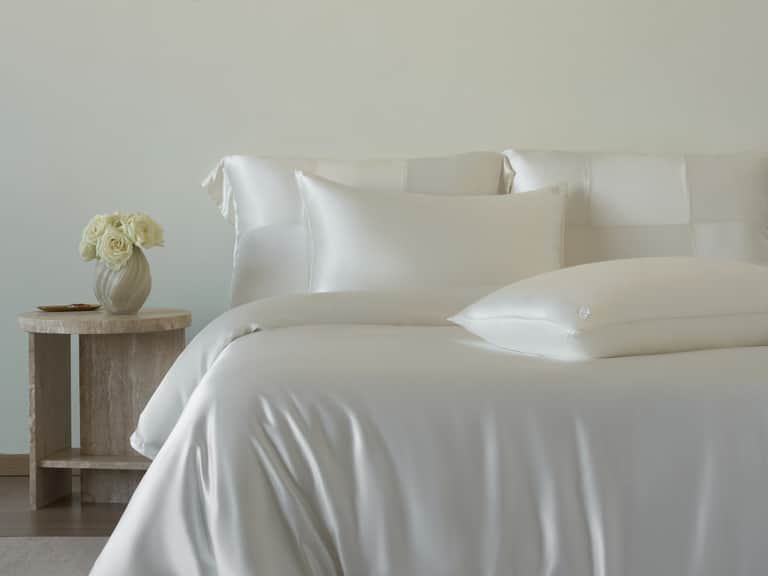
Sateen uses a different yarn arrangement, commonly described as a four-over, one-under structure. More yarn floats appear on the surface, giving the fabric a smooth hand and a subtle sheen. The result is a polished look with a supple drape that settles closer to the body and mattress.
For sleepers who love softness, sateen can feel inviting from the first night. It is often described as silky, though cotton sateen is not silk. It has a richer, more fluid feel than percale, and its gentle luster can give a bed a dressed-up finish without requiring elaborate styling.
That smoothness may also mean sateen feels warmer or more substantial to some people. The weave can hold a little more warmth in the way it feels against the skin, although the actual experience depends on the fabric’s weight, fiber, room conditions, and individual comfort. If you tend to wake up warm, it is worth paying attention to the material’s construction rather than assuming every sateen set will feel the same.
Because the surface yarns are arranged differently, sateen may be more susceptible to snagging or visible wear than a balanced plain weave, especially with rough handling. That is not a reason to rule it out. It is a reason to follow care instructions, avoid overloading the washer, and consider how your household uses and launders bedding.
Percale vs. sateen at a glance
When you are comparing sheet weave, think in terms of tendencies, not rigid rules. Different mills and fabric specifications produce different results, and a person’s sense of soft, cool, or heavy is subjective. This quick comparison can help narrow the field:
- Surface: Percale is typically crisp and matte; sateen is usually smooth with a soft sheen.
- Drape: Percale tends to hold a more structured shape; sateen often falls more fluidly over the bed.
- Breathable feel: Percale is often perceived as airier. Sateen can feel more substantial, though weight and fiber matter.
- Temperature preference: Warm sleepers commonly gravitate toward percale, while those who enjoy a cozy, smooth surface may prefer sateen.
- Appearance: Percale has a quiet, understated finish; sateen brings a subtle glow.
- Care considerations: Both benefit from gentle, fabric-appropriate laundering. Sateen’s smooth surface may need extra care around snags and abrasion.
These are useful starting points, not promises. A lightweight sateen may feel cooler than a dense percale, and a particular cotton or finish can change the hand of either weave. If you can examine fabric in person, focus on the tactile experience rather than relying on a product description alone.
Match the weave to the way you sleep
If you sleep warm
Begin with percale if you prefer a dry, crisp surface and want bedding that feels less close to the body. Its airy character can be appealing in warm weather or in a bedroom that tends to hold heat. Look at the overall fabric weight and fiber content, too: weave is only one part of the sleep environment.
Pay attention to the rest of the bed. A thick duvet, a warm mattress protector, or a room with limited air circulation may have a greater effect on how hot you feel than the sheet weave alone. If you use a top sheet and comforter, try adjusting those layers before replacing every part of your bedding.
If you sleep cool
Sateen’s smooth hand and closer drape may feel comforting when you want a more enveloping bed. It can make the surface feel pleasantly cozy without changing the mattress itself. Pair it with suitable blankets and room layers so you can adjust comfort as temperatures shift through the year.
If you are sensitive to texture
Tactile comfort is personal. Some sleepers find percale’s crispness refreshing; others interpret it as too stiff or papery. Some love sateen’s glide, while others prefer a fabric that feels drier and less slippery. If you are unsure, consider starting with one pillowcase or a single sheet rather than changing the full bed at once.
Also think about how the fabric feels after laundering. Finishes can influence the first impression, and repeated washing may soften a new set. A sample touched in a store may not be identical to sheets after several wash cycles, but it can help you decide which direction feels more promising.
If two people share the bed
Different sleep preferences do not have to become a nightly negotiation. If one person prefers crisp sheets and the other loves a smoother finish, talk about which sensation bothers each of you most. Some couples find that a middle-weight cotton weave works well; others use different pillowcases or separate light blankets to accommodate individual comfort. The right solution is the one that feels easy to live with.
Thread count is not the whole story
Thread count is often treated as a shorthand for softness or quality, but it does not tell you whether a sheet is percale or sateen, how it will drape, or whether it suits your sleeping temperature. It refers to the number of threads counted in a square inch of fabric, though counting methods and yarn construction can complicate comparisons.
A higher number is not automatically better. Fiber quality, the length and strength of the cotton fibers, yarn construction, finishing, and weaving all affect the result. For everyday use, look for clear information about fiber content and care, then judge the fabric by its hand and expected performance. A balanced, well-made sheet can be more satisfying than a number chosen to sound impressive.
It is also helpful to separate fiber from weave. Cotton is a fiber; percale and sateen are weaves. Other fibers and blends may behave differently, and a sateen finish should not be confused with silk. When comparing bedding materials, read the full description rather than relying on a single headline feature.
Seasonal comfort without a complete bedding overhaul
It is tempting to think that one weave belongs to summer and the other to winter. In practice, personal temperature, climate, and the rest of your bedding matter more than a calendar. Percale’s crisp, airy impression often feels especially appealing during warmer months. Sateen’s smoother, more substantial feel can be welcome when the room is cool.
You can also adjust the bed in smaller ways. Change the weight of your duvet insert, swap a decorative coverlet for a lighter layer, or use breathable blankets suited to the season. A bed that is easy to layer is often more comfortable than one built around a single, heavy blanket.
Think about how the sheets feel at bedtime and later in the night. If you wake because you are too warm, start by assessing the complete sleep setup, including room temperature and bedding layers. If the sensation of the fabric itself is the issue, a different weave may make a more noticeable difference.
Care tips for sheets that feel good for longer
Care labels are the best guide because washing instructions vary by fiber, finish, and construction. As a general habit, avoid packing the washer tightly, use a suitable detergent, and choose a wash temperature that is appropriate for the fabric and household needs. Too much detergent can leave residue, while harsh bleaching or aggressive cycles may wear fibers faster.
Drying deserves attention, too. High heat can stress fabric and contribute to shrinkage or a rougher hand. Remove sheets promptly when they are dry to limit creasing. If you like a neat finish, smooth the fabric while it is slightly warm or fold it soon after drying. Percale’s crisp character can suit a clean, pressed look, while sateen’s natural drape often looks polished without much fuss.
Rotate between sets when possible. Regular rotation gives each set a break between uses and helps distribute wear. Store clean sheets in a dry place, and avoid keeping them compressed for long periods. Small routines like these can make everyday bedding more pleasant without requiring elaborate maintenance.
Check fit and construction, too
Even a beautiful fabric can disappoint if the fitted sheet does not stay on the mattress. Measure the mattress, including any topper, and compare its depth with the sheet’s pocket dimensions. A close fit helps keep the surface smooth and reduces the need to remake the bed after every restless night.
Consider the flat sheet’s size if you use one. Enough width and length make it easier to tuck the sheet securely or let it drape neatly. Look at the seams, elastic, and finishing details as part of the overall assessment. Quality is not only about the feel on the first night; it is also about how well the bedding fits into your routine.
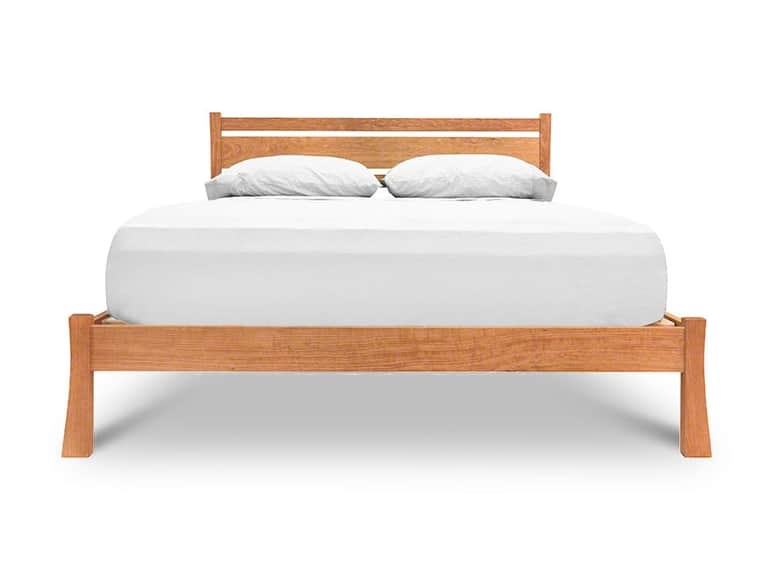
For platform beds and other frame styles, the sheet’s fit is determined primarily by the mattress dimensions and depth, not by the frame’s appearance. Still, a neatly made bed can complement the room’s overall design. The weave, color, and drape all contribute to the visual mood, whether you prefer a crisp, tailored look or a softer, more relaxed finish.
A simple way to decide
Before choosing a set, answer three questions: What texture do you enjoy against your skin? Do you usually feel warm or cool at night? How much time and attention do you want to give laundry and upkeep? Your answers can point you toward a practical choice without turning sheet shopping into a technical project.
- Choose percale if you are drawn to a crisp, matte, airy feel and a more structured drape.
- Choose sateen if you prefer a smoother, gently lustrous surface that falls softly across the bed.
- Look beyond the weave to fiber quality, fabric weight, finishing, fit, and care instructions.
- When possible, test the feel or begin with a smaller bedding piece before committing to a full set.
There is no universal winner because good sleep is personal. One person’s crisp and refreshing is another person’s too cool; one person’s silky softness is another’s too slippery. The best sheets are the ones that make your bed feel inviting and remain comfortable through your normal routines.
Frequently asked questions
Are percale sheets always cooler than sateen?
Not always. Percale is commonly described as more breathable and airy, while sateen may feel smoother and more substantial. Actual comfort depends on the fabric’s weight, fiber, finish, bedroom temperature, and personal preference. The terms describe weave structures, not a guaranteed temperature rating.
Do percale sheets soften over time?
Many percale sheets soften with washing and regular use, although the pace and final feel vary by fiber, yarn, and finishing. Follow the care label and avoid harsh treatment. If you particularly enjoy a crisp surface, note that some softening is a normal part of use.
Are sateen sheets made of satin?
Sateen is a weave used most commonly with cotton. Satin is a related term for a smooth fabric structure often associated with other fibers. The names may sound similar, but they do not necessarily describe the same material. Check the fiber content to know what the sheet is made from.
Which weave lasts longer?
Durability depends on fiber quality, yarn strength, construction, use, and care. Percale’s balanced weave can be robust, while sateen’s surface floats may be more vulnerable to snags or abrasion in some constructions. A careful comparison of fabric details and care instructions is more useful than assuming one weave will always outlast the other.
The most comfortable choice is the one that feels like you
Percale and sateen offer two distinct expressions of comfort. Percale brings a crisp, breathable, quietly tailored feel; sateen offers smoothness, softness, and an easy drape. Once you know the difference, the choice becomes less about a trend or a thread-count claim and more about what you want to feel when the lights go out.
Start with your own sleep habits, then weigh the fabric’s fiber, construction, fit, and care needs. A thoughtful choice does not have to be complicated. It simply means paying attention to the details that make a bed feel restful, welcoming, and genuinely comfortable for you.